
School chess
The Laws of Chess and School Arbiting
The Escuela Arbitral de Ajedrez promotes the teaching of the Laws of Chess in education. It gives physical education teachers, other educators and instructors the tools to teach and apply the rules and encourage children to respect them.
Learn the rules, respect your opponent and compete fairly.
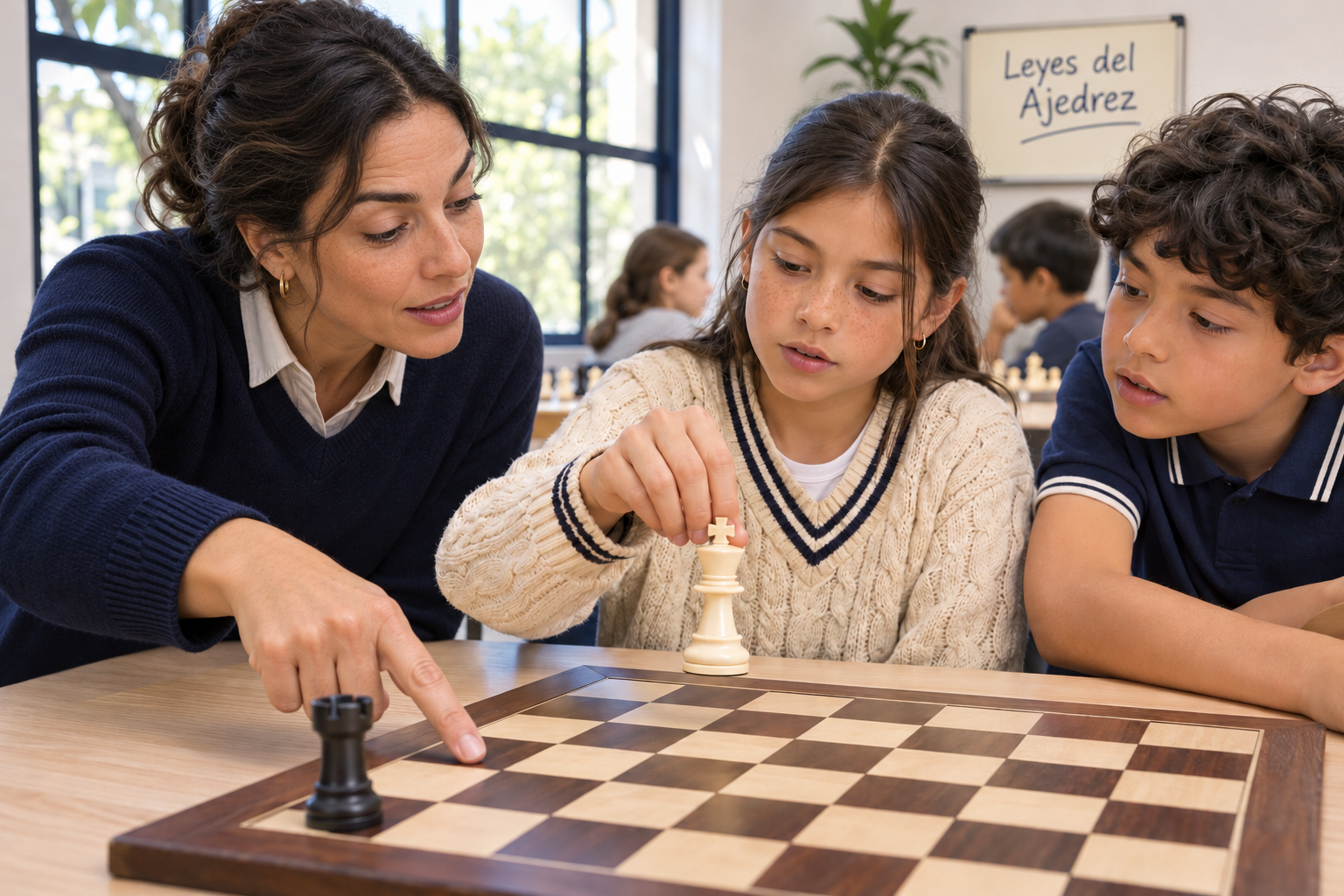
Learning the rules is part of learning chess
Every player should know the Laws of Chess, and every teacher who teaches chess should be able to explain and apply them correctly.
The Escuela Arbitral de Ajedrez was founded to teach the rules from the earliest stages of learning, bringing together knowledge of the rules, arbiters’ judgement and fair play in schools.
Know
The Laws of Chess.
Apply
The rules correctly.
Respect
Your opponent and the rules.
The Laws of Chess by Grade
A step-by-step approach to teaching the rules of chess, developing arbiters’ judgement and encouraging fair play from childhood.
1 Grade
Discovering chess
The board, the pieces and the basic rules.
Open Grade 12 Grade
Learning to play
Moves, captures and respect for the rules.
Open Grade 23 Grade
Playing by the rules
Check, checkmate and illegal moves.
Open Grade 34 Grade
Dealing with illegal moves
King safety and decisions at the board.
Open Grade 45 Grade
Applying special rules
Promotion and castling.
Open Grade 56 Grade
Learning when a game is drawn
Threefold repetition and how to verify it.
Open Grade 62027 training programme
Training for Physical Education Teachers
From knowing the rules to applying them in the classroom.
The Escuela Arbitral de Ajedrez will develop a specialist programme for teachers, instructors and school activity leaders on teaching the Laws of Chess and applying them in practice.
- Methods for teaching the rules to different age groups.
- Identifying and dealing with illegal moves.
- Making decisions in common situations during play.
- Organising and officiating school competitions.
Dates and details to be announced.
Young Arbiters, Strong Values
Learning to arbitrate means learning to listen, observe, decide impartially and respect others.
Listen
Observe
Decide
Respect
“Teaching the rules today helps shape responsible players for tomorrow.”
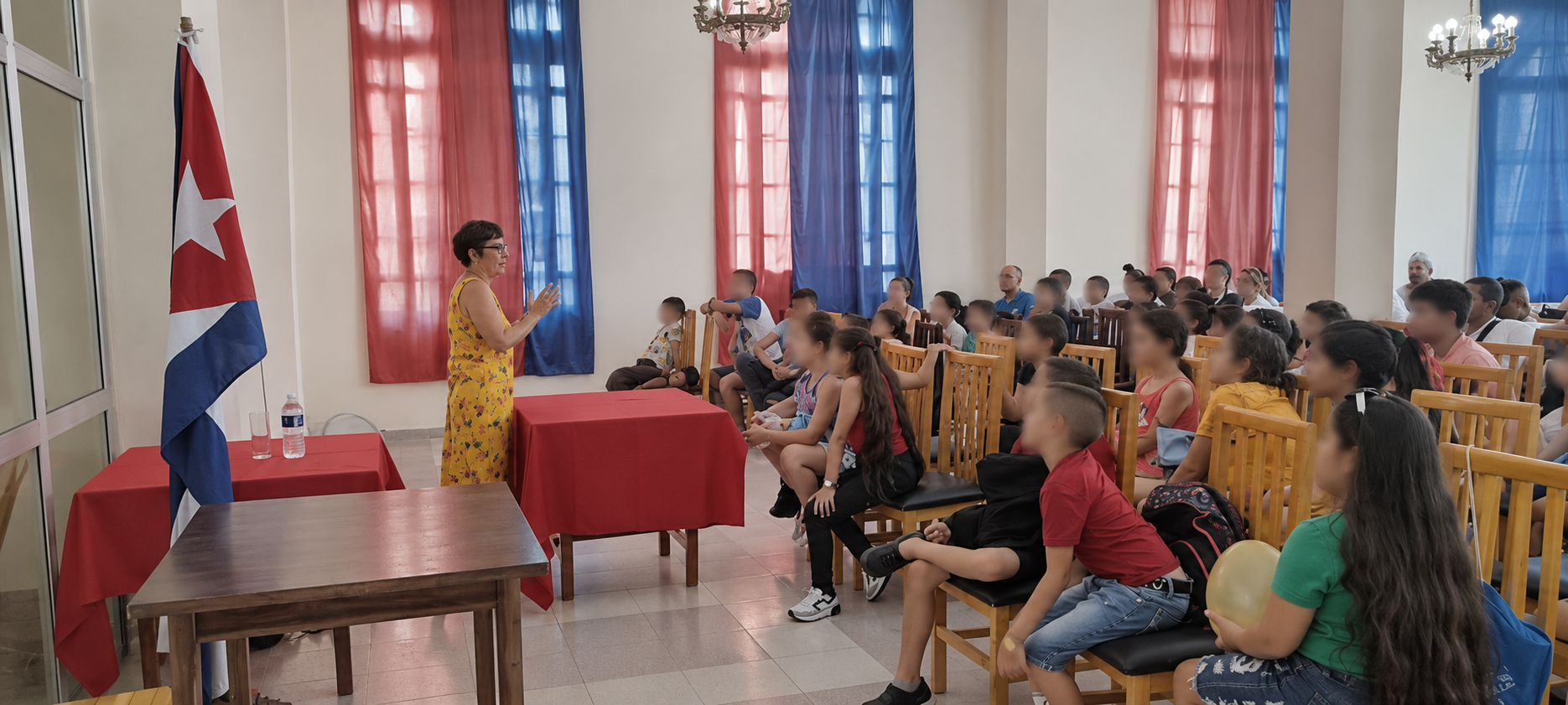
Our first experience with children and familiesVilla Clara, Cuba · March 2024Click to view the photo
At the El Niño de la Bota children’s tournament, Bárbara I. López-Chávez Mariño taught her first chess arbiting class for children and families.
That experience helped lay the groundwork for the Escuela Arbitral de Ajedrez’s work with schools today.
From the classroom to competition
School Competitions
Guidance and resources for organising educational, inclusive competitions that follow the Laws of Chess.
Regulations
Drafting competition rules.
Organisation
Preparing the venue, equipment and rounds.
Arbiting
Applying the rules and resolving incidents.
Fair play
Participation, mutual respect and sportsmanship.
School Chess in an International Context
The Escuela Arbitral de Ajedrez contributes to the international growth of educational chess through its own programme focused on teaching the Laws of Chess and school arbiting.
International School Chess Federation (ISCF)
The federation promotes school chess and international school chess competitions.
Explore the ISCF’s international programme